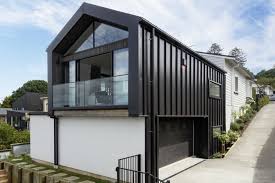
Why choose an eco-friendly construction company in Hampshire?
Sustainable construction has become a critical focus in recent years, with research showing that buildings account for nearly 40% of global energy consumption. Hampshire residents increasingly prefer construction companies that prioritize eco-friendly practices, as these projects reduce carbon footprints, minimize waste, and improve energy efficiency. An experienced construction company in Hampshire offers solutions tailored to sustainable development, ensuring projects meet environmental standards while maintaining aesthetic appeal.
What are the benefits of eco-friendly building projects?
Eco-friendly construction company hampshire provides multiple advantages, both financial and environmental. Data from recent studies indicate that green buildings can reduce energy costs by up to 30% and water consumption by 20–50%. Beyond operational savings, these projects enhance indoor air quality, improve occupant well-being, and contribute to long-term property value. For Hampshire homeowners and businesses, sustainable buildings also align with local and national environmental targets, fostering a sense of responsibility toward the community.
Which sustainable materials are commonly used in Hampshire projects?
Modern eco-friendly construction relies on renewable, low-impact, and durable materials. Popular choices include recycled steel, bamboo, reclaimed timber, and low-VOC paints. Additionally, insulation materials such as sheep’s wool, cellulose, or recycled denim help improve energy efficiency while reducing harmful chemical exposure. Hampshire construction companies integrate these materials strategically to ensure compliance with building codes without compromising structural integrity.
How do construction companies in Hampshire implement energy efficiency?
Energy efficiency is central to eco-friendly construction. Hampshire-based companies employ techniques like high-performance glazing, solar panels, smart lighting systems, and energy-efficient HVAC installations. Studies show that buildings designed with energy-saving principles can cut utility bills by an average of 25% annually. Furthermore, these strategies often qualify for government incentives, making sustainable projects economically advantageous for clients.
Are eco-friendly building projects more expensive?
While initial costs for sustainable construction may be slightly higher—typically 5–15% above traditional projects—long-term savings and environmental benefits outweigh the upfront investment. Statistics highlight that green buildings often achieve return on investment within 5–7 years due to lower energy, maintenance, and operational expenses. Hampshire residents increasingly recognize that prioritizing sustainability is not only environmentally responsible but also financially prudent.
What certifications ensure a project is truly eco-friendly?
Reputable construction companies in Hampshire adhere to recognized green building standards. Certifications such as BREEAM (Building Research Establishment Environmental Assessment Method) and LEED (Leadership in Energy and Environmental Design) provide assurance that a project meets rigorous sustainability criteria. These certifications cover energy efficiency, water management, material selection, and overall environmental impact, allowing clients to make informed decisions.
How is the future of eco-friendly construction in Hampshire shaping up?
The demand for green building projects in Hampshire continues to rise, driven by regulatory support, environmental awareness, and technological advancements. Industry trends suggest that by 2030, nearly half of all new residential and commercial developments in the region will integrate sustainable construction practices. Construction companies committed to eco-friendly methods are well-positioned to meet this growing demand while supporting community health and environmental resilience.
In conclusion, partnering with a Hampshire construction company that specializes in eco-friendly projects ensures high-quality, sustainable, and cost-effective outcomes. With measurable benefits in energy efficiency, material sustainability, and long-term savings, green construction represents the future of responsible building.